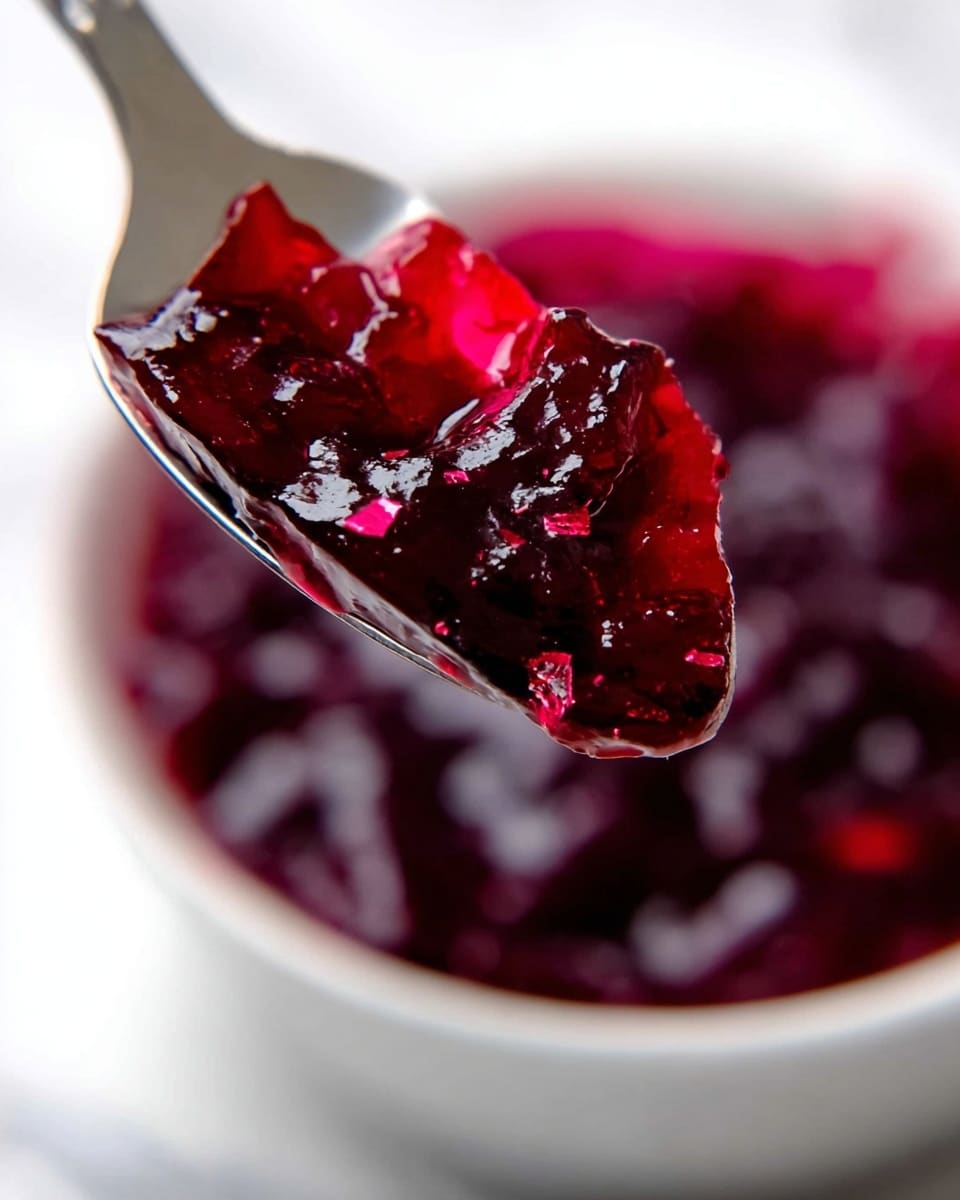
Step into a world where everyday toast transforms into a luxurious experience, and desserts reach new heights of aromatic delight. Forget the ordinary fruit preserves for a moment and imagine a spread so exquisitely fragrant, so delicately sweet, it feels like a secret indulgence. We're talking about homemade rose petal jam – a culinary masterpiece that promises to become your new favorite. Far from a complicated endeavor, crafting this exquisite jam is surprisingly simple, requiring just a few key ingredients and a dash of passion. Get ready to embark on a delightful journey from garden to jar, creating a unique spread that will captivate your senses and impress every palate.
The Allure of Homemade Rose Petal Jam
There's something uniquely captivating about rose petal jam that sets it apart from its fruitier counterparts like strawberry, raspberry, or fig preserves. For many, the flavor of rose evokes cherished memories, particularly when associated with traditional Lebanese or Middle Eastern sweets, where rose water and rose extract are culinary staples. But even for those new to its charm, the fragrant essence of rose in a jam form is nothing short of enchanting.
This isn't just a spread; it's an experience. The delicate, floral notes are potent yet never overwhelming, creating a symphony of flavor that is both strong and subtly sweet. It truly is the ultimate indulgence jam, transforming mundane moments into sensory pleasures. When you consider that this organic rose petal spread can be created with just a handful of ingredients and a relatively short prep time, it becomes an irresistible invitation to explore a new dimension of homemade delights. It's a simple step into the satisfying world of jam-making that yields a profoundly rewarding result.
Essential Ingredients for Your Fragrant Creation
Crafting the perfect homemade rose petal jam hinges on selecting quality ingredients. While the process is straightforward, understanding the role of each component is key to achieving that perfect balance of flavor, texture, and vibrant color.
Fragrant Organic Rose Petals: The Heart of Your Jam
The star of the show, naturally, is the rose petal itself. Not all roses are created equal for culinary purposes. It's crucial to use edible and, ideally, organic roses to ensure they are free from pesticides and harmful chemicals. Look for highly fragrant varieties such as Damask, Centifolia (cabbage roses), or even some highly scented heirloom garden roses. The rule of thumb is: if it smells wonderful, it will likely taste wonderful!
- Choose Delicate Petals: Opt for roses with thin, delicate petals. These will soften beautifully during cooking, resulting in a smooth, melt-in-your-mouth texture rather than a chewy one.
- Harvesting & Preparation: Collect petals in the morning after the dew has dried but before the sun is too strong. Gently remove the white, bitter heel at the base of each petal. Rinse them thoroughly but gently to remove any dust or insects, then pat them dry.
- Fresh vs. Dried: While fresh petals offer the most vibrant flavor and color, dried culinary rose petals can also be used, making this a year-round possibility. Adjust quantities if using dried, as their flavor is more concentrated.
Sweetener of Choice: Sugar's Role
Sugar plays a multifaceted role in jam-making: it's not just for sweetness, but also acts as a preservative and aids in the jam's set. Cane sugar is a popular choice for its clean flavor profile, allowing the rose essence to shine. However, feel free to experiment:
- Granulated Sugar: A standard choice, providing consistent results.
- Raw Sugar: Can impart a slightly deeper, more caramel-like note.
- Jam Sugar: This is a pre-mixed product containing sugar and pectin. It simplifies the process, especially for beginners, but limits your control over the pectin and sugar ratios. If using jam sugar, you may not need to add separate pectin.
- Reducing Sugar: If you wish to reduce the sugar content, be mindful that it will affect the set and shelf life. Using specific low-sugar pectins or increasing the lemon juice may be necessary.
The Setting Agent: Pectin's Magic
Pectin is a natural gelling agent found in many fruits. Roses, however, are not naturally high in pectin, so adding it is crucial for achieving that desirable jam consistency. Pectin works by bonding with sugar and acid to form a gel.
- Types of Pectin: You can purchase powdered or liquid pectin separately, offering more control than jam sugar. Follow package instructions carefully, as different types are activated under different conditions (e.g., specific boiling times, sugar levels).
- Why it Matters: Without adequate pectin, your rose petal jam would remain a syrup. It's the secret to that perfectly spoonable, spreadable texture.
Brightening and Preserving: Lemon Juice
Lemon juice is a powerhouse ingredient in jam. It serves three vital functions:
- Aids in Setting: The acidity of lemon juice is essential for activating pectin, helping the jam to gel properly.
- Prevents Bacteria: Its acidic nature acts as a natural preservative, inhibiting bacterial growth and extending the jam's shelf life.
- Brightens Color: Especially with certain rose varieties, lemon juice magically brightens the color of the petals, transforming dull hues into vibrant pinks and reds.
- Fresh vs. Bottled: While fresh lemon juice offers superior flavor, bottled lemon juice has a consistent pH level, which can be advantageous for a reliable set. However, for the best taste, fresh is often preferred.
Mastering the Art of Jam Making: Tools & Techniques
Making homemade rose petal jam is less about complex culinary skills and more about patience and attention to detail. Having the right equipment and understanding basic techniques will set you up for success.
Preparing Your Workspace and Equipment
Efficiency and cleanliness are key to successful jam making:
- A Heavy-Based, Shallow Pan: Opt for a large, heavy-bottomed, shallow pan rather than a tall, narrow one. The wider surface area allows for quicker, more even evaporation of liquid, which helps the jam cook faster and set better. The heavy base prevents scorching.
- Spatula or Wooden Spoon: Use heat-proof silicone or wooden utensils for stirring. Metal spoons can react with the acid, and plastic can melt.
- Sterilized Jam Jars: This is non-negotiable for proper preservation. Even if you don't plan to "can" the jam for long-term shelf storage, sterilizing your jars ensures maximum freshness and prevents spoilage. Wash jars and lids in hot, soapy water, then sterilize by boiling them for 10 minutes or running them through a hot dishwasher cycle. Keep them hot until filling.
- Optional Tools: A fine-mesh sieve or jelly bag can be used if you prefer a jam with fewer visible petal pieces. A canning funnel makes transferring the hot jam into jars much cleaner and easier, reducing waste and mess.
The Jam-Making Process: Key Steps
The journey from petals to jar is a delightful process:
- Prepare Petals: Thoroughly clean and prepare your rose petals as described above.
- Combine & Cook: Gently combine your prepared rose petals with water, sugar, lemon juice, and pectin (if using separate pectin). Gradually bring the mixture to a rolling boil, stirring frequently to dissolve the sugar and prevent sticking.
- Boil to Set Point: Continue to boil, stirring often, until the jam reaches its setting point. This can be tested using several methods:
- Cold Plate Test: Place a small dollop of hot jam onto a chilled plate. After a minute, push it with your finger. If it wrinkles, it's ready.
- Temperature Test: Use a candy thermometer to reach 220°F (104°C) at sea level, adjusting for altitude.
- Fill Jars: Carefully ladle the hot jam into your pre-sterilized, hot jars, leaving about 1/4 inch headspace. Wipe rims clean.
- Seal: Apply lids and bands. For long-term shelf stable storage, process in a boiling water bath according to canning guidelines for your altitude. For shorter storage (refrigerator), simply cool and refrigerate.
For a detailed, step-by-step guide on perfecting your technique and ensuring a beautiful set, check out our companion article: Master Rose Petal Jam: Essential Tips for Fragrant Petals & Set. If you're looking for a straightforward recipe to get started, you might find our Homemade Rose Petal Jam: Easy Recipe with Just 4 Ingredients particularly helpful.
Beyond the Jar: Creative Uses for Your Rose Petal Jam
Once you've crafted your exquisite batch of homemade rose petal jam, the possibilities for enjoyment are endless. Its unique floral notes lend themselves to both traditional and unexpected pairings:
- Classic Spreads: Elevate your breakfast toast, scones, or croissants into a gourmet experience.
- Dessert Enhancements: Spoon it over vanilla ice cream, plain yogurt, or panna cotta for an instant touch of elegance. Use it as a delicate filling for cakes, tarts, crepes, or thumbprint cookies.
- Beverage Infusion: Stir a spoonful into hot tea for an aromatic twist, or get adventurous and mix it into cocktails for a sophisticated floral note.
- Savory Pairings: Don't shy away from savory applications! A dollop alongside a cheese board, particularly with fresh goat cheese or brie, is surprisingly delightful. It can even be used as a delicate glaze for poultry or served with roasted lamb.
- Thoughtful Gifts: Jarred with a beautiful label, your homemade rose petal jam makes an incredibly thoughtful and personal gift for friends, family, or hostesses.
Making homemade rose petal jam is more than just a culinary task; it's an act of transforming simple ingredients into something truly special and luxurious. It's a testament to the beauty and fragrance of nature, captured in a jar. Whether you're a seasoned jam maker or a curious beginner, this indulgent spread promises a rewarding experience and a truly unique addition to your pantry. So, gather your ingredients, embrace the process, and prepare to fall in love with your new favorite fragrant spread.
