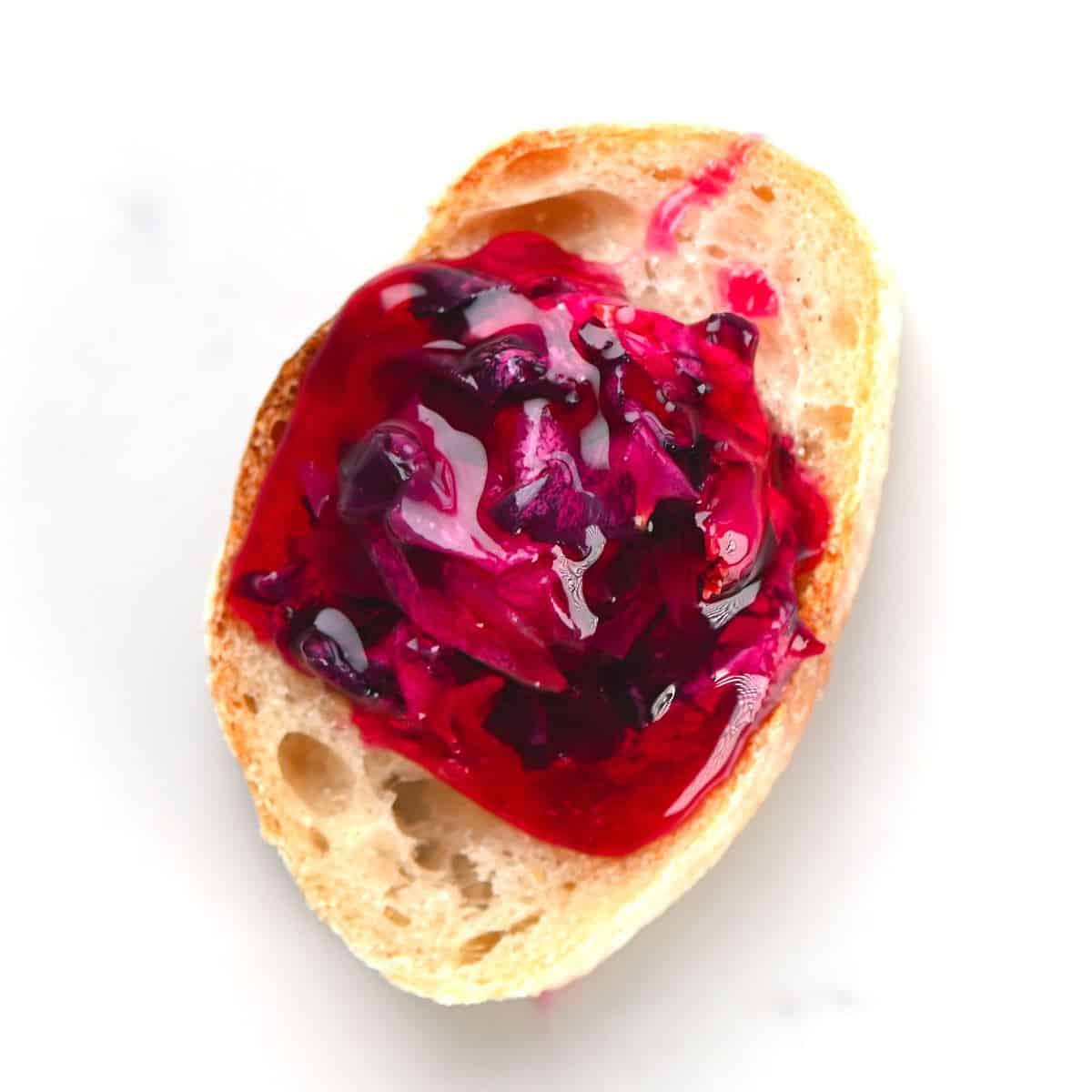
Unlocking Aromatic Bliss: Your Guide to Easy Homemade Rose Petal Jam
Imagine a jam that isn't just sweet, but profoundly fragrant, a delicate dance of floral notes and luscious sweetness that elevates every bite. That's the magic of homemade rose petal jam. Often considered a gourmet delicacy, many believe crafting this exquisite spread at home is complex. Think again! We’re about to unveil a surprisingly simple recipe that requires just four core ingredients, transforming fragrant rose petals into a truly indulgent culinary experience. Forget your typical strawberry or raspberry spreads; this unique jam promises an ultimate indulgence, an aromatic delight that will quickly become your new favorite.
Why Homemade Rose Petal Jam is a Must-Try Indulgence
While classic fruit jams hold a special place in our hearts, homemade rose petal jam offers an entirely different sensory journey. It’s an ode to elegance, a spread that captivates not just with its taste, but with its intoxicating aroma and beautiful, jewel-like hue. For those who appreciate the subtle, luxurious flavor of rose in Lebanese sweets or delicate teas, this jam is the ultimate expression. It’s sweet without being cloying, floral without being overpowering, striking a perfect balance that leaves a lasting impression.
The satisfaction of creating such a sophisticated product from scratch, especially with such minimal effort, is incredibly rewarding. With just a handful of ingredients and a simple process, you can create a spread that rivals high-end artisanal versions. It’s more than just a preserve; it's a jarred moment of pure luxury, perfect for gifting or simply spoiling yourself.
The Core Four: Essential Ingredients for Your Rose Petal Jam
The beauty of this recipe lies in its simplicity, relying on just four key ingredients to achieve its extraordinary flavor and perfect set. (While water is essential for cooking, it's considered a medium rather than a primary flavoring or setting agent in this context of 'ingredients').
1. Fragrant Organic Rose Petals
This is where the magic begins. The quality and type of your rose petals are paramount.
- Choose Wisely: Opt for fragrant edible roses that have *not* been sprayed with pesticides or chemicals. Varieties like Damask, Centifolia, or Gallica roses are renowned for their strong fragrance and delicate petals. These often have thinner, more supple petals that break down beautifully during cooking, preventing a chewy texture.
- Harvesting: The best time to collect petals is in the morning after the dew has dried, when their fragrance is at its peak. Choose fully open blooms that are still fresh and vibrant, not wilting.
- Preparation: Gently pluck the petals from the green base (the white heel can impart a bitter taste) and rinse them thoroughly under cool water. Pat them dry with a clean kitchen towel.
2. Sugar
Sugar is not just for sweetness; it plays a critical role in the jam's texture, preservation, and shelf life.
- Cane Sugar: We recommend fine cane sugar for its clean taste and consistent results. It dissolves easily and allows the rose flavor to shine.
- Experimentation: While cane sugar is ideal, you can experiment with other sugars. However, be aware that different sugars can alter the flavor profile, color, and crucially, the set and shelf life of your jam.
- Quantity is Key: It's tempting to reduce sugar for a healthier option, but sugar is a natural preservative. Significantly reducing the amount suggested can compromise the jam's stability and setting ability. If you do wish to reduce it, be prepared for a softer set and a shorter refrigerated shelf life.
3. Pectin
Pectin is a natural gelling agent found in fruits, essential for achieving that perfect jam consistency.
- Pure Pectin vs. Jam Sugar: You can purchase pure pectin powder or use "jam sugar," which is granulated sugar pre-mixed with pectin. Using pure pectin gives you more control over the sugar type and amount, allowing for greater customization.
- How it Works: Pectin needs acid and sugar in specific ratios to form a gel. Without sufficient pectin, your jam may remain syrupy rather than setting properly.
- Usage: Follow the instructions on your pectin packet for precise measurements relative to your sugar and fruit (in this case, petals).
4. Lemon Juice
More than just a flavor enhancer, lemon juice is a crucial player in the jam-making process.
- Aids Setting: The acidity of lemon juice is vital for activating the pectin, allowing it to bond with sugar and water to create that desired gel-like consistency.
- Preservation: Its natural acidity acts as a mild preservative, helping to inhibit bacterial growth and extend the jam's shelf life.
- Color Brightener: Lemon juice works like magic, brightening the vibrant pinks and reds of some rose varieties, making your jam visually stunning.
- Fresh vs. Bottled: While fresh lemon juice offers superior flavor, bottled lemon juice has a consistent pH level, which can be advantageous for pectin activation. We recommend fresh for the best taste.
Crafting Your Aromatic Jar: Step-by-Step Guide
With your ingredients ready, let's dive into the simple yet rewarding process of making your own homemade rose petal jam.
Essential Equipment
Gathering your tools beforehand makes the process smooth and enjoyable:
- Heavy-Based Pan: A wide, shallow, heavy-bottomed pan ensures even heat distribution and allows for quicker evaporation, leading to a faster set.
- Heat-Proof Spatula/Wooden Spoon: Avoid metal spoons as they can sometimes react with acidic ingredients or scratch non-stick surfaces. Silicone or wooden tools are ideal.
- Jam Jars: You'll need sturdy, heat-proof jars with tight, airtight lids. Sterilize them thoroughly before use by washing in hot soapy water, rinsing, then placing them in a hot oven (120°C/250°F) for 10-15 minutes, or running them through a dishwasher's hot cycle.
- Canning Funnel (Optional but Recommended): This wide-mouthed funnel makes transferring hot jam into jars much cleaner and easier, especially if you're canning for long-term storage.
- Sieve or Jelly Bag (Optional): If you prefer a smoother jam without petals, you can strain them out, but most find the delicate petals a charming addition.
- Cold Plate: Keep a small plate in the freezer for testing the jam's set.
The Cooking Process
- Combine Petals and Water: In your heavy-based pan, gently combine your cleaned rose petals with a measured amount of water (as per your specific recipe, often just enough to cover the petals). Bring to a gentle simmer and cook for a few minutes until the petals soften and release some of their color and fragrance.
- Add Sugar and Pectin: Stir in the sugar until completely dissolved. If using pure pectin, whisk it into a small amount of sugar first to prevent lumps, then add to the pan. Bring the mixture to a rolling boil, stirring constantly.
- Introduce Lemon Juice: Once boiling, add the fresh lemon juice. This is when the pectin gets its activation boost, and the color often brightens beautifully. Continue to boil vigorously, stirring frequently to prevent sticking.
- Achieving the Set: Boil for approximately 5-15 minutes, depending on your recipe and desired consistency. To test for set, place a spoonful of jam onto the cold plate from the freezer. Wait 30 seconds, then push the jam with your finger. If it wrinkles, it's ready. If not, continue boiling for a few more minutes and retest. Skim off any foam or scum that rises to the surface for a clearer jam.
Jarring and Storage
- Fill Jars: Carefully ladle the hot jam into your sterilized jars, using a canning funnel if available. Fill to about ¼ inch from the rim.
- Seal and Cool: Wipe the rims clean, then securely place the lids and rings on the jars. Allow the jars to cool completely at room temperature. As they cool, you should hear a "pop" sound as the vacuum seal forms.
- Storage: Properly sealed jars of homemade rose petal jam can be stored in a cool, dark place for up to a year. Once opened, refrigerate and consume within 2-3 weeks. For more in-depth canning techniques to ensure maximum shelf life, consult specialized canning resources.
Beyond the Toast: Creative Uses for Your Homemade Rose Petal Jam
Once you’ve experienced the unparalleled flavor of your fragrant rose petal jam, you'll want to incorporate it into every meal. Its versatility extends far beyond a simple breakfast spread:
- Classic Spreads: The most obvious, yet utterly divine. Slather it generously on toast, croissants, scones, or warm crumpets.
- Dessert Enhancer: Spoon it over vanilla ice cream, plain yogurt, panna cotta, or cheesecakes for an instant gourmet upgrade. It’s also a wonderful filling for delicate tarts or layered cakes.
- Baking Adventures: Incorporate it into thumbprint cookies, swirl it into muffin batter, or use it as a filling for pastries like turnovers and Danish.
- Beverage Booster: Stir a teaspoon into hot tea for an aromatic twist, or mix it into sparkling water or lemonade for a refreshing floral drink. It can even be a unique component in creative cocktails.
- Savory Pairings: For the adventurous palate, try pairing it with strong cheeses like goat cheese or brie. Its sweetness can also provide a surprising counterpoint as a glaze for roast chicken or duck.
Conclusion
Making homemade rose petal jam is more than just a recipe; it's an experience that engages all your senses, from the delicate fragrance of fresh petals to the satisfying pop of a sealed jar. This simple 4-ingredient method demystifies a gourmet treat, making it accessible to any home cook. Embrace the opportunity to create something truly unique and indulgent, bringing the timeless beauty and aroma of roses from your garden (or local market) to your table. Prepare to fall in love with your new favorite, fragrant spread!
